The Challenge
A Growing City With a Plant It Couldn’t Grow
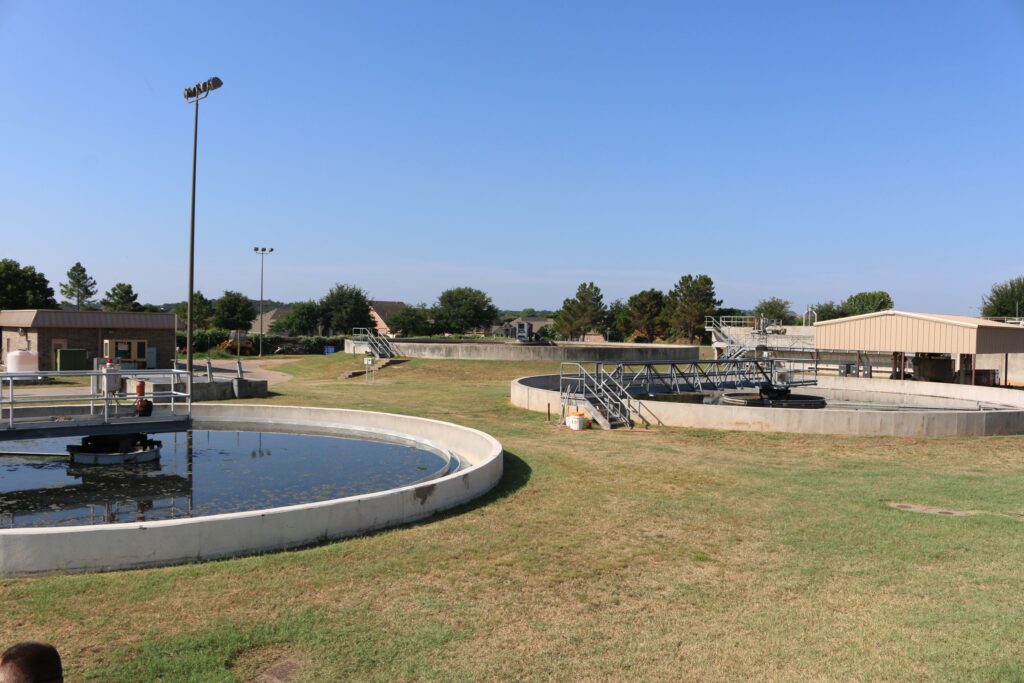
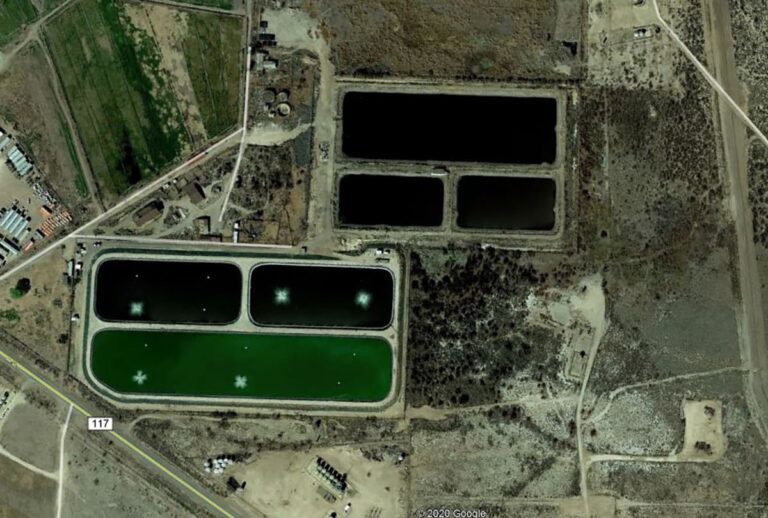
Granbury’s existing South WWTP is legally capped — a non-expansion agreement tied to the adjacent Harbor Lakes development limits the site. So accommodating growth meant building somewhere new. The City’s Phase 1 Wastewater Improvements Program answered with two plants: rehabilitate the capped South plant in place, and build a brand-new East satellite plant for the capacity the South site can never hold.
Four Years to a Permit
Siting a new wastewater plant is rarely quiet, and Granbury East was not. The East plant drew sustained citizen opposition. The TCEQ permit went through a contested-case hearing at the State Office of Administrative Hearings (SOAH), where a two-judge panel recommended issuing the draft permit in June 2022, and all three TCEQ commissioners voted to issue the permit in October 2022 — after a process that ran roughly three to four years. The opposition also triggered a citywide development moratorium that, by local reporting, stalled on the order of $250 million in economic development and drove up the project’s cost through legal fees and pandemic-era escalation.
Why this matters for Texas plants. A new wastewater plant is a multi-year permitting and political project, not just an engineering one. Granbury’s East plant took roughly four years from process to construction award — through a SOAH contested-case hearing, a TCEQ commissioner vote, and a development moratorium. Utilities planning new satellite capacity should budget the permitting timeline as seriously as the construction timeline.
The Solution
A New 1.0 MGD Plant, Built to Reuse Grade
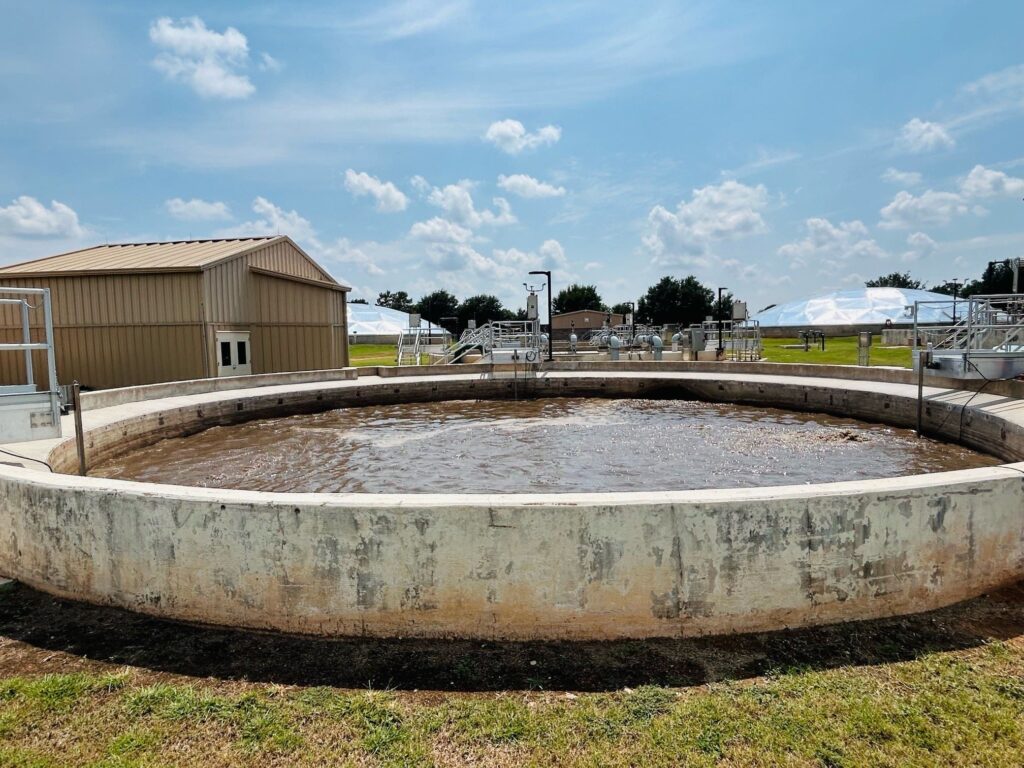
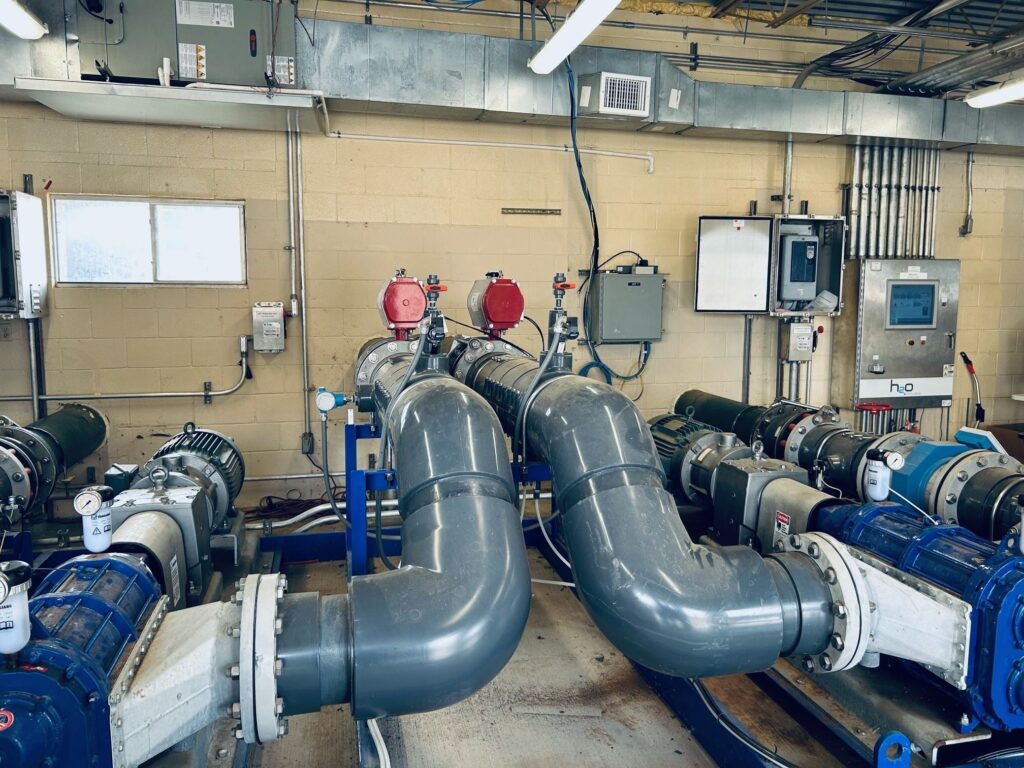
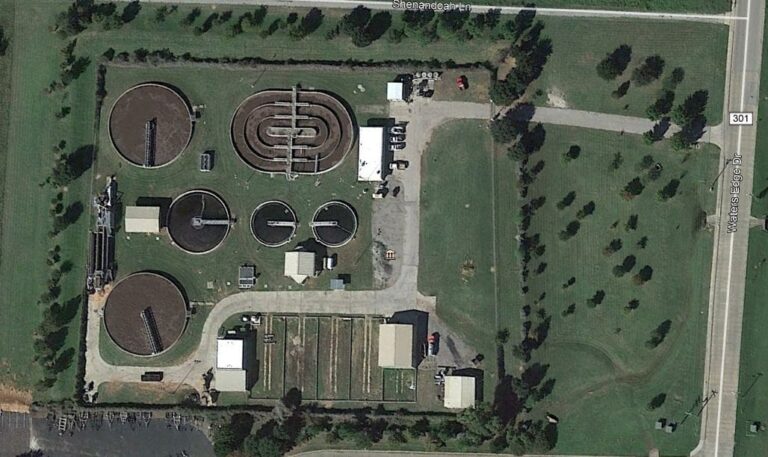
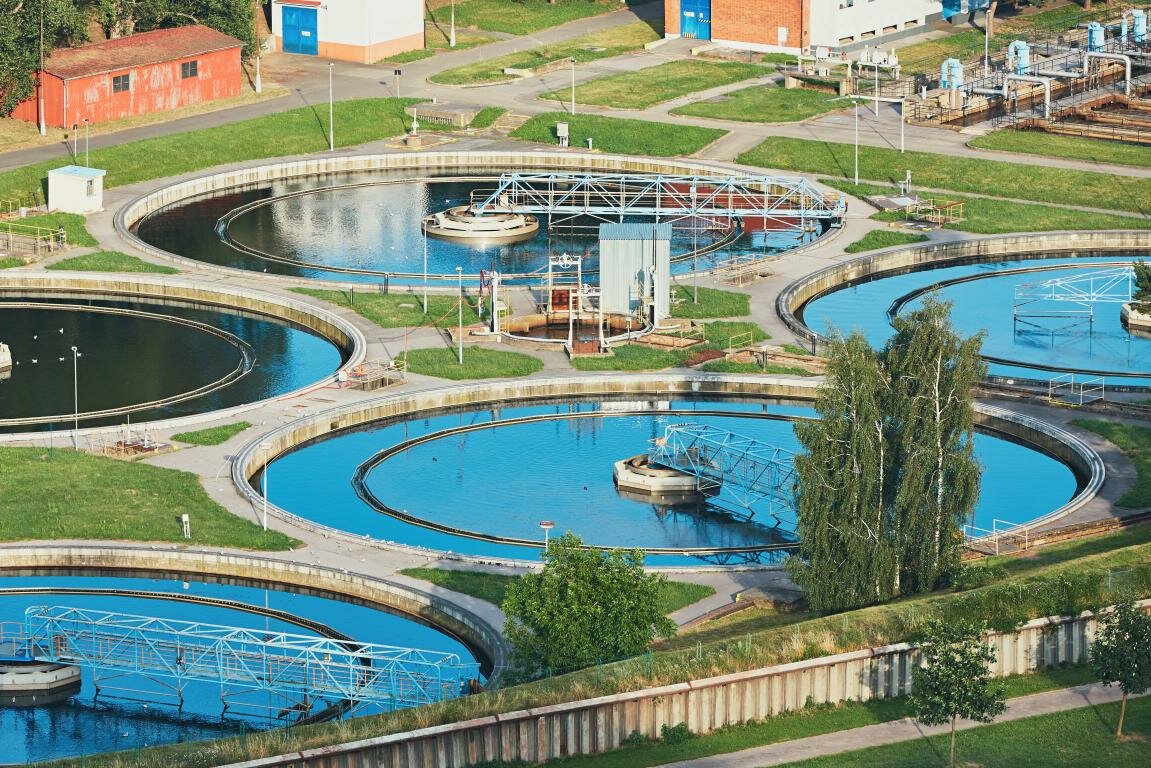
The East WWTP is a new 1.0 MGD plant on a 10.6-acre site at 3121 Old Granbury Road in eastern Granbury. Enprotec Hibbs & Todd (eHT) engineered a full treatment train: pretreatment with screening, grit removal, and flow equalization; secondary treatment with biological nutrient removal (BNR) and a membrane bioreactor (MBR); UV disinfection; and supporting solids storage and dewatering, SCADA, a new control building, and a new MBR support building. The plant is designed to produce TCEQ Type I reuse-grade effluent — the same reuse-grade target as the rehabilitated South plant, so the City’s two-plant system delivers a consistent effluent quality.
Equipment
Vision Equipment supplied equipment for the East plant’s treatment train. Per-section award detail is being confirmed with Vision Equipment; the equipment list below is VE’s internal project record.
| Process step | Equipment | Manufacturer |
|---|---|---|
| Fine screening | Mechanical fine screens | Cleantek |
| Biological treatment | Membrane bioreactor | H2O Innovation |
| Disinfection | UV | NeoTec |
The Results
Permitted, Awarded, Under Construction
| Milestone | Detail |
|---|---|
| SOAH panel recommendation | June 2022 — two-judge panel recommended issuing the draft permit |
| TCEQ permit issued | October 2022 — all three commissioners voted to issue |
| Construction contract awarded | October 17, 2023 — Granbury City Council, to Gracon Construction, Inc. |
| Construction contract value | $34,112,000 |
| Targeted completion | Late 2025 |
| Funding | TWDB Clean Water State Revolving Fund (Phase 1 program) |
One Program, Two Plants
The East WWTP is one half of the City of Granbury’s Phase 1 Wastewater Improvements Program — roughly $35 million total, pairing the new East satellite plant with the rehabilitation of the existing 2.0 MGD South plant, plus collection-system improvements, all funded under a single TWDB Clean Water State Revolving Fund loan. The City’s longer roadmap continues with a North WWTP in Phase 2 (five to ten years out) and a West WWTP in Phase 3 (ten to twenty years). Granbury East is, in effect, the City’s proof that the satellite-plant model works — and the template for the next two.
Implications for Texas Plants
Three replicable takeaways:
- Budget the permitting fight. A contested new-plant permit can run three to four years through SOAH and TCEQ. Granbury East shows the political and permitting timeline can exceed the construction timeline — and can carry real collateral cost, like a development moratorium.
- Satellite plants unlock capped sites. When the main plant can’t grow, a new satellite plant elsewhere in the service area is the structural answer — and it can be financed alongside the main-plant work under one SRF program.
- Design the satellite to match the main plant’s effluent grade. Granbury’s East and South plants both target TCEQ Type I effluent, so the two-plant system behaves as one consistent utility — not two plants with two effluent standards.